
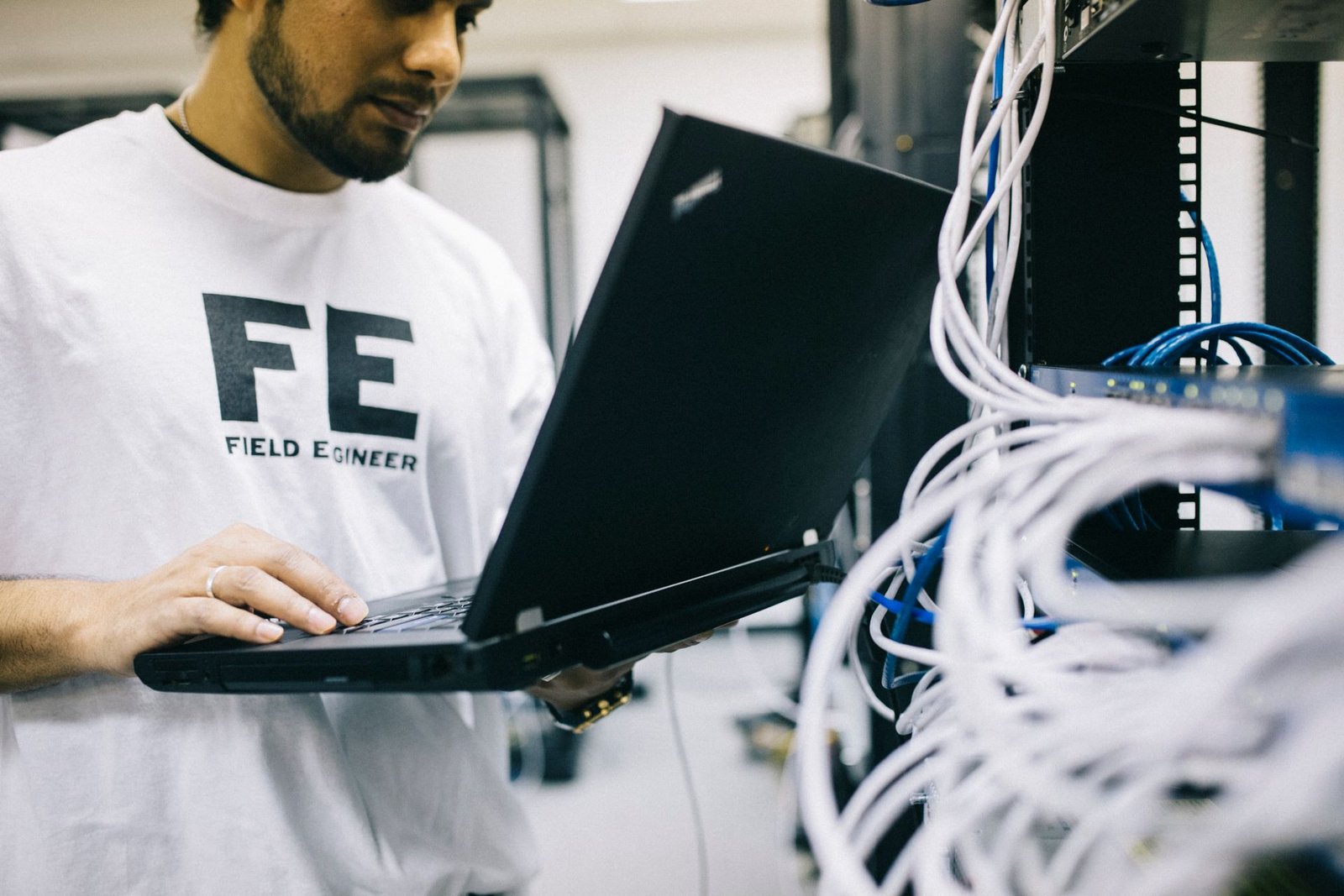
FDE as a Service
Forward Deployed Engineers who ship where your clients work.
Senior builders embedded in your environment—not behind a remote ticket queue. They learn your data and constraints on the ground, ship a production path you can run, and turn hard-won insights into leverage for the next slice.
- On-site
- engineers in your workflow, not a remote queue
- 3
- regions · Hong Kong, APAC and Middle East
- Outcomes
- earn access to the next real problem
What we deliver
- Embedded with your clients and systems
- Thin vertical slices shipped where the work happens
- Go-live ownership, evals, and handoff built in
What is a Forward Deployed Engineer?
A software engineer. Embedded with the customer. Working forward of comfort.
An FDE is first a builder—shipping products and solutions that make clients’ lives better. Deployed means they leave the core office and sit inside the customer’s environment. Forward is the distinction: they work in domains where they are not the subject-matter expert—utilities, retail floors, finance ops, air-gapped facilities—and turn that discomfort into production outcomes.
01 · word
Engineer
You still write software, ship systems, and own quality. Customer proximity does not replace craft—it raises the bar for what “done” means in production.
02 · word
Deployed
Not a remote ticket queue. You are embedded where the work happens: with clients, their data, their change windows, and their constraints.
03 · word
Forward
You enter environments outside your default expertise. The job is to learn the domain fast enough to ship something clients will actually run.
Capital T
Horizontal across the T—not only deep in one stack
Regular engineers often operate on the vertical stem: deep in one technology. An FDE spends more time on the horizontal bar—across sites and systems—synthesizing customer problems into outcomes that can generalize.
- Depth stays
- Craft still matters; the time investment shifts.
- Synthesize
- Distill disparate issues into product-shaped work.
- Raise the floor
- Platforms and patterns lift every later engagement.
Where the FDE works
Close to the customer, connected to the core product.
Core product team
- Product
- Engineering
- Research
- Platform
Build for many customers
Product capability →
Forward Deployed Engineer
- Engineering
- Solution architecture
- Business discovery
- AI implementation
Integration to production →
Customer environment
- Existing systems
- Data
- Security
- Users
Solve for one customer
Field learningreusable patternsproduct improvement
The FDE does not simply customize software. What works in the field should make the product stronger.
Where FDE came from
Born in hard environments. Useful anywhere outcomes beat demos.
The term traces to early Palantir work: engineers displaced into secure facilities, military contexts, and air-gapped sites where meaningful software could only be built on the ground. The motion generalized to any customer environment where shipping requires presence—not because the office is wrong, but because access, politics, and messy data only unlock in situ.
In the AI era, “deploy codes” and on-site pods are fashionable again. The durable version is older and stricter: gather discrete customer insights, find the commonalities, and feed a platform that gets stickier with every engagement—not customer success theater, not quota-carrying sales dressed as engineering.
What FDE is not
Not customer success
Success management keeps accounts healthy. FDEs ship production software and feed product leverage.
Not solutions architecture alone
Architecture without embedded build-and-run ownership is a slide. FDEs implement and stay through go-live.
Not staff augmentation theater
A seat on your backlog is useful. FDE is accountability for an operational outcome in your environment.
The original bet: earn access to real problems, generalize what repeats, and improve the core offering so the next customer is faster—not slower.
Demo vs production
Why AI gets complicated after the demo
The model is only one part of a production system.
What you see
AI model / demo
Works in testing
A simple demo that works.
What's really underneath
A complex system that has to work together in your environment.
From demo to production
This is where forward deployed engineering begins.
- 01Internal data
- 02Permissions & access
- 03Legacy systems
- 04APIs & integrations
- 05Real workflows & users
- 06Security & compliance
A capable model can still stall inside a complicated customer environment.
Outcomes, not outputs
An outcome earns you the next real problem.
Solving a ticket is an output. An outcome is something so useful the customer brings you the harder problems next. That access is the prize: insights are a byproduct of trust, and trust compounds into product decisions that help every later engagement.
01
Earn access to problems
Ship something clients depend on. Then you see the real constraints—data retention, CSV pipelines that melt memory, approval politics—that demos never surface.
02
Taste for what to build
Not every fix should become product debt. A clever one-off that never feeds the platform can haunt on-call for years. FDEs choose problems that move both the customer and the reusable offering.
03
Feed the product flywheel
Insights go back into platforms, evals, connectors, and patterns. Each cycle raises the floor for the next thin slice.
The FDE flywheel
Problem → solution → insight → product → larger problems
Compounding starts when one visceral win unlocks trust. Collect as many of these loops as you can; each one widens the problems you are allowed to touch.
- 01
See the real problem
Embed until the workflow, data shape, and failure mode are concrete—not a workshop abstraction.
- 02
Implement a solution
Ship a thin production path clients can run, with gates where writes and sends matter.
- 03
Generalize the insight
After a few sites, name what repeats: sources, permissions, eval criteria, last-mile glue.
- 04
Inform the product
Turn insight into platform features, connectors, and runbooks that lift every later deployment.
- 05
Earn a harder problem
Trust compounds. Larger workflows, messier data, and more consequential decisions become reachable.
Platforms & AI
Why this fits data platforms and production AI
Every organization produces and consumes different data—structured databases, PDFs, emails, telemetry, semi-structured feeds. FDEs absorb that variety on site, then push toward a generalized enough platform that the next customer is faster. Voice, agents, and model companies use the same last-mile pattern: presence where translation into real workflows happens.
- Immediate impact on one workflow, then speed on the next
- New sources, workflows, and features land in the offering—not only in a single account
- Evals, monitoring, and handoff keep the slice runnable after the embed ends
Engagement
When FDE as a Service fits
- You need production AI in a complex operational environment—not another slideware pilot
- Access, politics, and domain context only unlock when someone is embedded with the team
- You want go-live ownership, evals, and a clear handoff—not a dump of code
- You care that what we learn here strengthens the next slice, not just this week’s demo
How an engagement runs
01
Embed and map
An FDE sits with your clients, maps the workflow, and names the data and system constraints that decide success.
02
Ship one thin slice
We agree success metrics, then build and harden a single high-value path in your environment—with human gates where writes matter.
03
Hand off or extend
You get evals, monitoring, and runbooks. Keep us for the next slice, move to a retainer, or inherit the system yourself.
Typical deliverables
- On-site or embedded discovery with your clients
- Production thin slice in your environment
- Eval harness, monitoring hooks, and runbooks
- Handoff plan or transition to retainer / embed
FAQ
Questions buyers ask
How is FDE different from AI Augmentation?
Augmentation plugs engineers into your rituals and backlog. FDE deploys them into the operational environment to ship a production outcome with the people who run the process—and to feed reusable patterns back into the platform.
Is this just solutions architecture or customer success?
No. Architecture without build-and-run ownership is a slide; success management keeps accounts healthy. FDEs are software engineers who embed, ship, and stay accountable through go-live while generalizing what repeats.
Do FDEs work on-site or remote?
Either, as access requires. The point is proximity to clients and systems—not a preferred city. Hong Kong, APAC and Middle East coverage supports follow-the-sun when needed.
Will you build one-off scripts that never become product?
We solve the customer problem in front of us, but we prefer work that also informs the reusable offering. Clever one-offs that create permanent on-call debt without product leverage are exactly what we try to avoid.
What happens after go-live?
Handoff with docs and evals is included. Many clients then move to an ops retainer, another thin slice, or an embedded augmentation engagement.
Next step
Ready to embed an FDE on the workflow that hurts most?
Tell us the environment, the data, and the outcome you need. We typically respond within 24 hours across Hong Kong, APAC and Middle East.